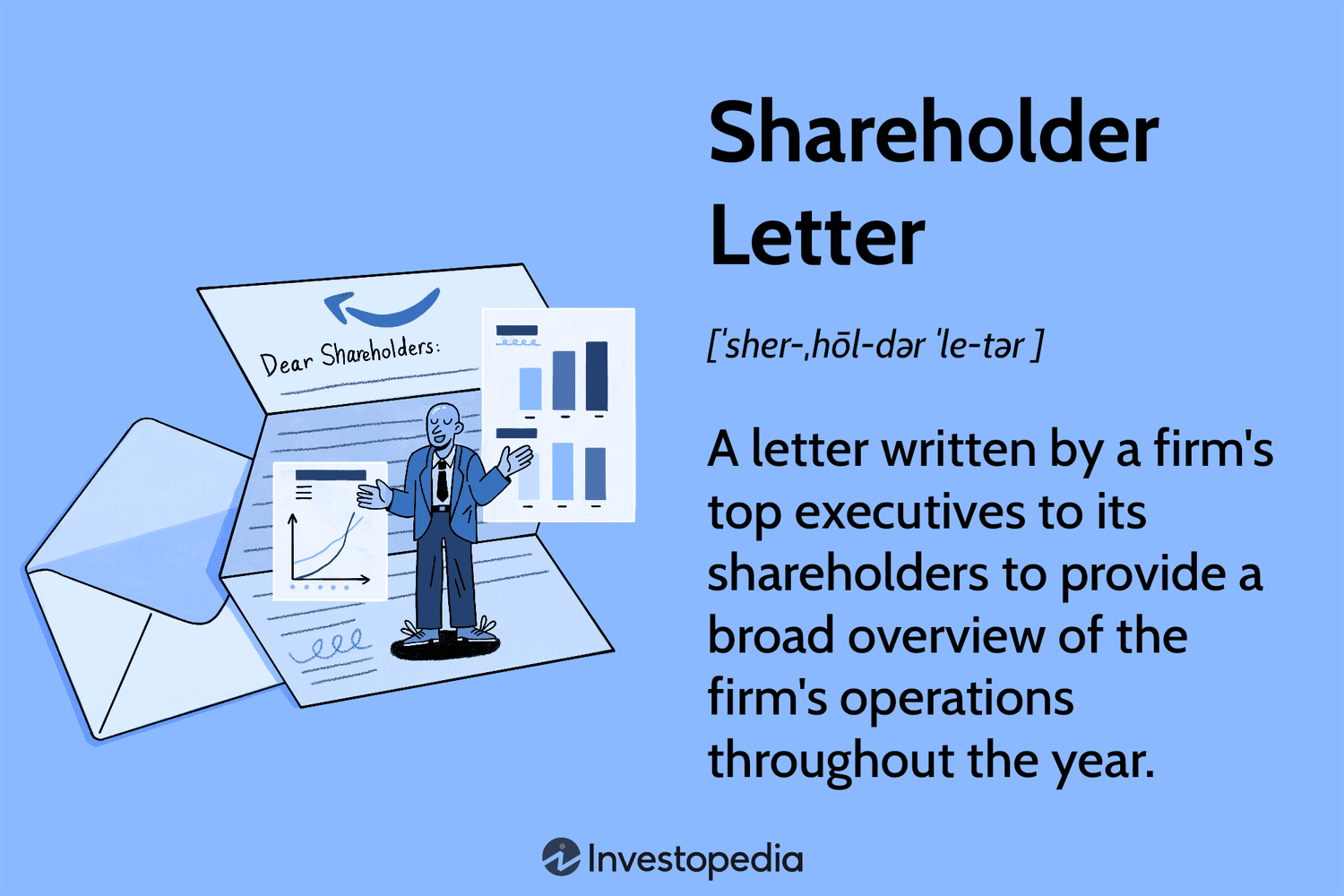
In the intricate world of finance and investment, where numbers often dominate the narrative, there exists a unique and powerful document that transcends mere figures: the shareholders letter. Far more than a perfunctory update, this annual communication from a company's leadership serves as a vital bridge, connecting stakeholders to the beating heart of an organization. It's where the story behind the spreadsheets unfolds, explaining not just what happened, but why, and more importantly, what's next. For investors seeking peace of mind, a deep understanding of their investments, and clarity on a company's strategic trajectory, the shareholder letter is an indispensable resource.
The Shareholder Letter: A Window into Corporate Health and Culture
At its core, a shareholders letter is an official dispatch from a firm's top management, typically accompanying the annual report. While the financial statements provide the raw data, the letter offers the narrative context, giving shareholders complete information about annual financial results and the company's performance during the previous year. However, its value extends far beyond a simple recap of financial performance. This is where leadership speaks directly to its investors, articulating their vision, addressing challenges, celebrating achievements, and outlining future prospects that might benefit operations.
Consider the recent, highly anticipated letter from Berkshire Hathaway, penned by its new CEO, Greg Abel. This was no ordinary update; it marked a significant transition from the legendary Warren Buffett. Abel's letter immediately set a tone, opening with a profound tribute to Buffett and a firm commitment to upholding Berkshire’s time-honored culture of trust and integrity. He vowed to continue operating in the same principled way that has propelled the conglomerate's success for six decades. This opening alone exemplifies how a shareholders letter explains not just financial results, but also the intangible assets of culture and leadership continuity that are crucial for long-term investor confidence.
Abel's letter also directly addressed a notable piece of financial news: the company's $4.5 billion write-down on its stakes in Kraft Heinz and Occidental Petroleum. Such disclosures are critical because they offer management's direct explanation of significant events, providing context that raw numbers simply cannot convey. By detailing such a write-down, a shareholders letter equips investors with management's perspective on challenges and strategic adjustments, fostering a deeper understanding of the company's overall health and the rationale behind its investment decisions.
Deconstructing the Components of an Effective Shareholders Letter
While each shareholders letter is unique to its author and company, effective communications typically share several conventional components designed to inform, reassure, and engage investors. These elements collaboratively paint a comprehensive picture:
- Strategic Overview and Vision: Beyond just reporting numbers, the letter articulates the company's strategic direction, long-term goals, and the overarching philosophy guiding its decisions. Abel's commitment to "maintain Berkshire’s culture" is a prime example of this.
- Performance Analysis: A detailed yet accessible review of the past year's financial results, operational highlights, and key achievements. This includes explaining the drivers behind strong performance or, conversely, the reasons for underperformance, such as the aforementioned write-down at Berkshire.
- Market Conditions and Industry Insights: Management often shares their perspective on the broader economic landscape, industry trends, and how these external factors impact the company's operations and future outlook.
- Challenges and Opportunities: A transparent discussion of significant hurdles faced, how they were addressed, and potential risks on the horizon. Equally important is highlighting emerging opportunities and the strategies in place to capitalize on them.
- Growth Plans and Future Outlook: This section typically details upcoming initiatives, capital allocation strategies, product development, and expansion plans, providing a forward-looking view that is crucial for investors assessing potential returns.
- Leadership Insights and Personal Message: Often, the letter carries the distinct voice of the CEO or top executives, offering personal reflections, expressing gratitude, and reinforcing the leadership's commitment. Abel's acknowledgement of Warren Buffett and his humble approach to succession perfectly illustrates this personal touch.
The art of drafting a compelling shareholder letter lies in balancing factual reporting with a persuasive narrative. It's about distilling complex information into understandable language and effectively communicating the company’s corporate vision in a way that resonates with both seasoned investors and new stakeholders. It's this comprehensive overview that helps improve a shareholder's confidence in the company.
Insights from Berkshire Hathaway: A Masterclass in Shareholder Communication
The Berkshire Hathaway shareholders letter has long been regarded as the gold standard in investor communication, largely due to Warren Buffett's legendary candor and insight. Greg Abel's inaugural letter continues this tradition, offering valuable lessons in transitioning leadership and reinforcing core values. Abel's decision to open by acknowledging his "very hard act to follow" humanizes the leadership transition, making it relatable and authentic. He didn't just state his new role; he laid out his background and approach, effectively introducing himself to the broader shareholder base, many of whom have implicitly trusted Buffett for decades.
His letter also provided a glimpse into the operational structure of the vast Berkshire empire. Abel, who has been managing all of Berkshire’s non-insurance companies since 2018, leveraged his existing knowledge and relationships, noting how executives reporting to him have "praised his insights into their different businesses." This detail builds immediate credibility and assures shareholders that leadership is in experienced hands. The letter further detailed planned changes to the annual shareholder meeting lineup, introducing key executives like Ajit Jain (Vice Chairman for insurance), Katie Farmer (BNSF CEO), and Adam Johnson (NetJets CEO, overseeing consumer, service, and retail businesses). By showcasing this deep bench of talent, the letter effectively communicates the strength and depth of leadership across Berkshire's incredibly diverse portfolio, which includes major insurers like Geico, the BNSF railroad, significant utilities, and well-known brands such as Dairy Queen, See's Candy, Precision Castparts, Lubrizol, and Iscar Metalworking. This strategy helps shareholders understand the multifaceted nature of their investment and the capable hands managing each segment.
This approach transforms the letter from a mere update into an educational tool, allowing investors to truly grasp the complexity and robustness of their investment. For a deeper dive into the specifics of this pivotal communication, explore our related article on Berkshire Hathaway's New Era: Key Takeaways from Abel's First Shareholder Letter.
Empowering Investors: The Long-Term Value of Shareholder Letters
For shareholders, the annual letter is a profound source of empowerment. It provides not just an annual snapshot, but a continuous narrative, fostering a sense of partnership between the company and its investors. Knowing that top executives are committed to communicating effectively and regularly helps retain confidence and trust, essential for long-term investment success. Investors gain insights into risks and opportunities, achievements, and growth plans, allowing them to make informed decisions and align their investments with companies whose vision and values they share. This "peace of mind" is an invaluable return on investment, far surpassing purely financial gains.
From the company's perspective, a well-crafted shareholders letter is a powerful tool for investor relations and brand building. It's an opportunity to reinforce the company's mission, articulate its competitive advantages, and demonstrate transparency and accountability. By openly discussing both triumphs and setbacks, companies can cultivate a loyal investor base that understands and supports their strategic direction, even through challenging times. It differentiates them in a competitive market, attracting new investors who value integrity and clear communication.
The commitment to comprehensive and candid communication, exemplified by companies like Berkshire Hathaway, underscores the enduring importance of the shareholders letter. For companies aiming to master this crucial communication, our guide on Boost Investor Confidence: Essential Tips for Drafting Shareholder Letters offers invaluable insights.
In conclusion, the shareholders letter stands as a testament to effective corporate communication, serving as much more than a compliance document. It is a vital narrative that translates complex financial data into a coherent story, explaining a company's past performance, clarifying its present standing, and illuminating its future vision. Through the authentic voice of leadership, these letters build and sustain the trust and confidence that are the bedrock of enduring investor relationships, proving that beyond the numbers, a compelling narrative truly explains everything.